



-

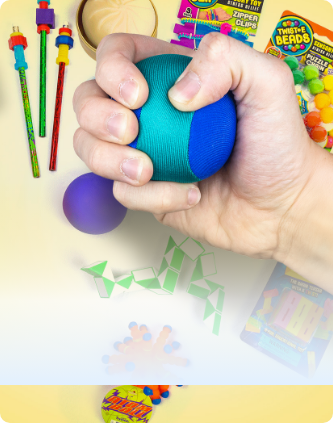
Ultimate Fidget Set
$45.99 -

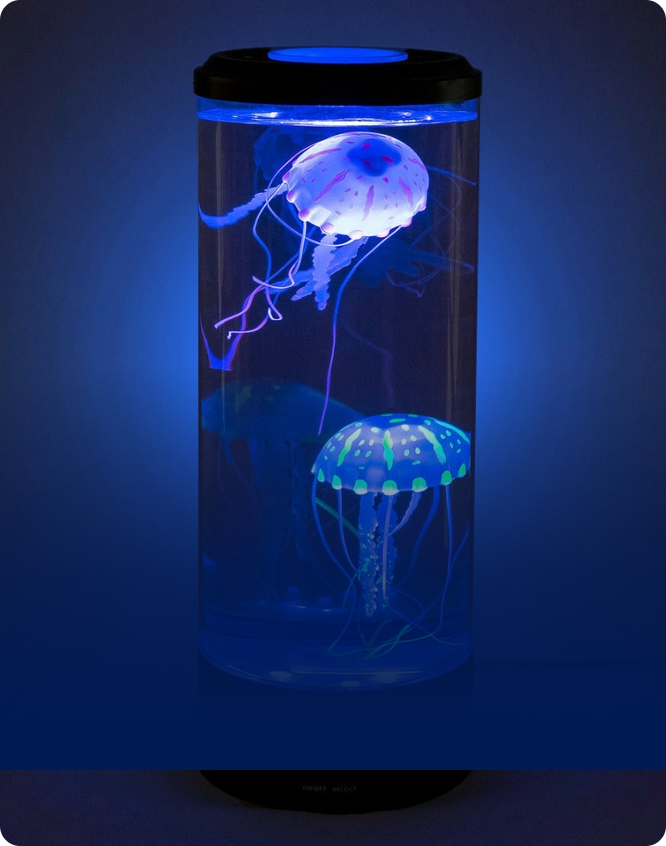
Liquid Timer
$6.99 -

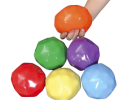
Squeeze Star Set of 12
$11.99 -

Noise Reduction Earmuffs
$29.99 -

Tangle Jr.
$5.99 -

Bendy Man Set of 4
$15.99 -

Stress-less Gel Ball
$8.99 -

Tactile Tangle Imagine
$7.99 -

Exercise Bands for Legs
$4.99 - $14.99 -
-
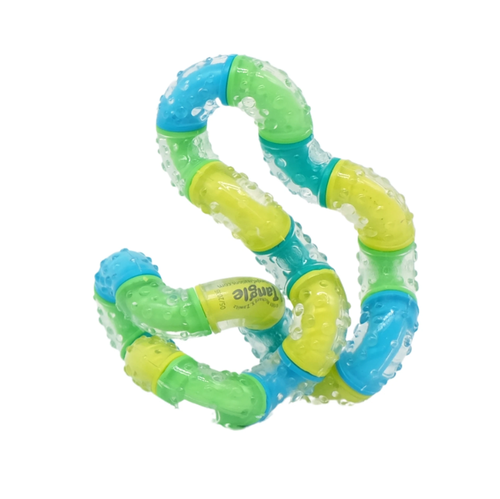
Tangle Therapy
$15.99 -
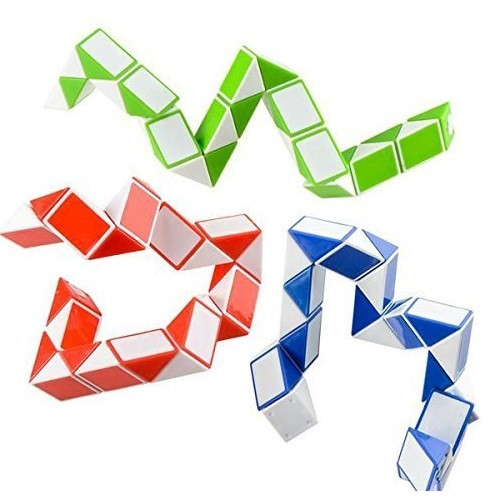
Magic Snake Fidget
$11.99 -

Discount Ear Muffs
$12.99 -

Bouncy Bands
$15.99 - $16.99 -

Squish Dude Set of 3
$19.99 -

Therapy Ball Anti-Burst
$26.99 - $49.99 -

-
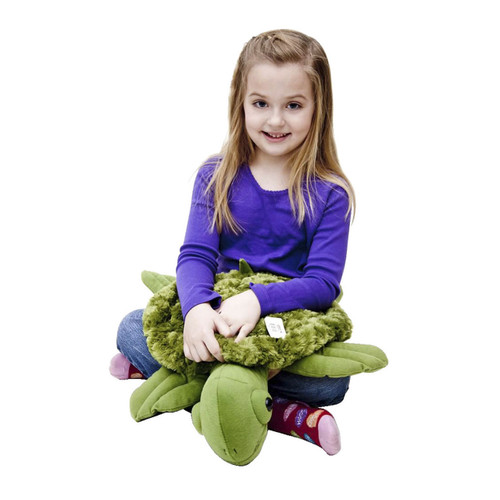
Weighted Turtle
$69.99 -

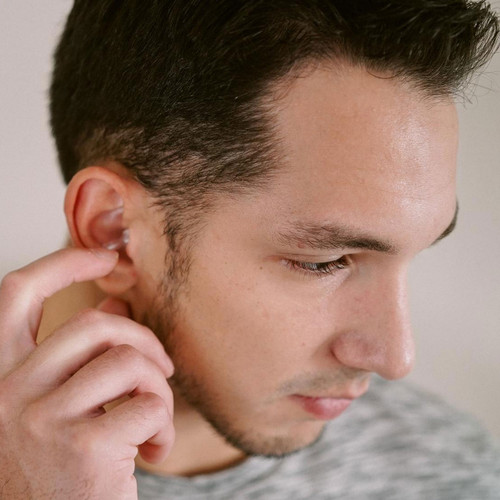
Easy-Find Band Ear Plugs
$3.99 -
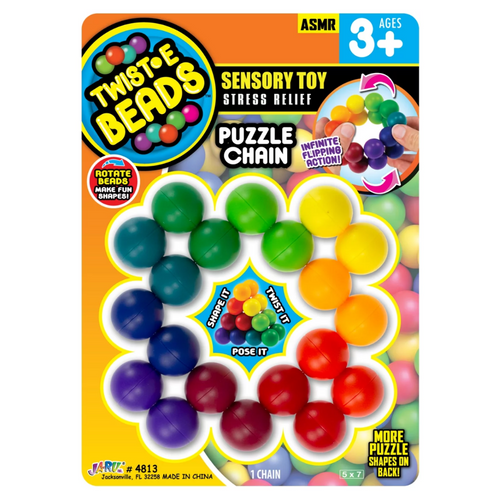
Twist E Beads
$3.99 -

Push Pop Set
$12.99 -
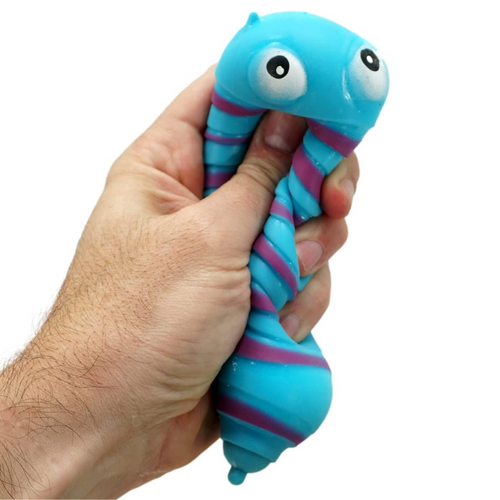
Squee-Zee Caterpillar
$3.99 -

Rainbow Stringy Ball
$3.99 -

-

Wiggle Seat with Pump
$19.99 - $24.99 -

Squeezy Sugar Animal Sets
$19.99 - $29.99 -

Squeeze Diamond Set of 4
$24.99 -

Sensory Discs
$24.99 - $32.99 -

Wiggle Wobble Chair Feet
$24.99 -

Spinner Ring Set
$29.99 -

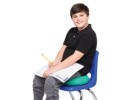
Antimicrobial Wiggle Seat Set of 6
$109.99 - $129.99 -

-

Swooshy Sqweezy Set of 3
$16.99 -

Flip Flex
$4.99 -

Stretchy String
$4.99 -

Smart Time Digital Timer
$28.99
Focus Helpers
Do your students need help to focus and sustain their attention? Choose from our collection of the most effective and specialized focus supports. We offer a wide variety of fidgets, dynamic seating options, and other tools to help students increase their ability to focus, sustain attention, and learn better.