Autism Social Skills

The hallmark feature of autism is impaired social interaction. Parents are usually the first to notice symptoms of autism in their child. As early as infancy, a baby with autism may be unresponsive to people or focus intently on one item to the exclusion of others for long periods of time. A child with autism may appear to develop normally and then withdraw and become indifferent to social engagement.

Social interaction, the ability to understand and respond to the social cues of others can be very difficult for children with autism. Children with High Functioning Autism (HFA) or PDD-NOS have unique social challenges because they often look and act like "typical kids" in many situations. Because they look like a “normal child,” family members, teachers, and peers assume the child with PDD-NOS should understand the rules of social interaction.

Unfortunately, these children rarely meet these expectations which can lead to lots of frustraition. The good news is research has shown that many children with autism can show remarkable improvements socially.

Peer Interaction
One of the best ways to learn social skills is to imitate them. Practicing talking, sharing, playing and working with typical peers allows the child with autism the chance to learn typical social skills. At home parents can host play dates with typical developing peers.

Helpful Tips for Hosting a Play Date for Your Child with Autism:
•Before the play date come up with a schedule with your child. Decide which games will be played and in what order. Schedule a snack break and decide which snack will be offered. Also include clean up time at the end of the play date this will help your child to transition at the end of the date.
•If there are toys that are difficult for your child to share put them away before the play date begins. Don’t make the play date too long. One to two hours is fine, its best to have success and leave both children wanting more time together.
•Keep it small one friend at first is best. Remember if you invite more than one child the social interactions will become more complex. It will be harder for your child to engage socially.
•Choose activities your child enjoys and is competent in. Now is not the time to learn a new game. If your child feels successful there will be less frustration and a better time.
•Prepare for the end of the play date in advanced. No one likes to end a good time! Practice with your child ahead of time how the play date will end. Have a reward or incentive waiting for them after their friend leaves.
•To help your child prepare for the end of the play date give a 10 to 20 minute warning that the play date will end.
•Observe your child's behavior during the play date so you can determine what needs to be worked on. Provide assistance as necessary, but try to be a background observer. Remember no one likes to be embarassed. As much as possible work on behaviors after your child’s friend has left.
•Establish a relationship with the child’s parents. Learning social skills is a process. Your child may make several social mistakes. Thank the parent for allowing their child to tutor yours and assure them that you are working with your child to help them grow socially.
•After the guests leave, send the parent a quick email thanking them for coming.

Social Stories
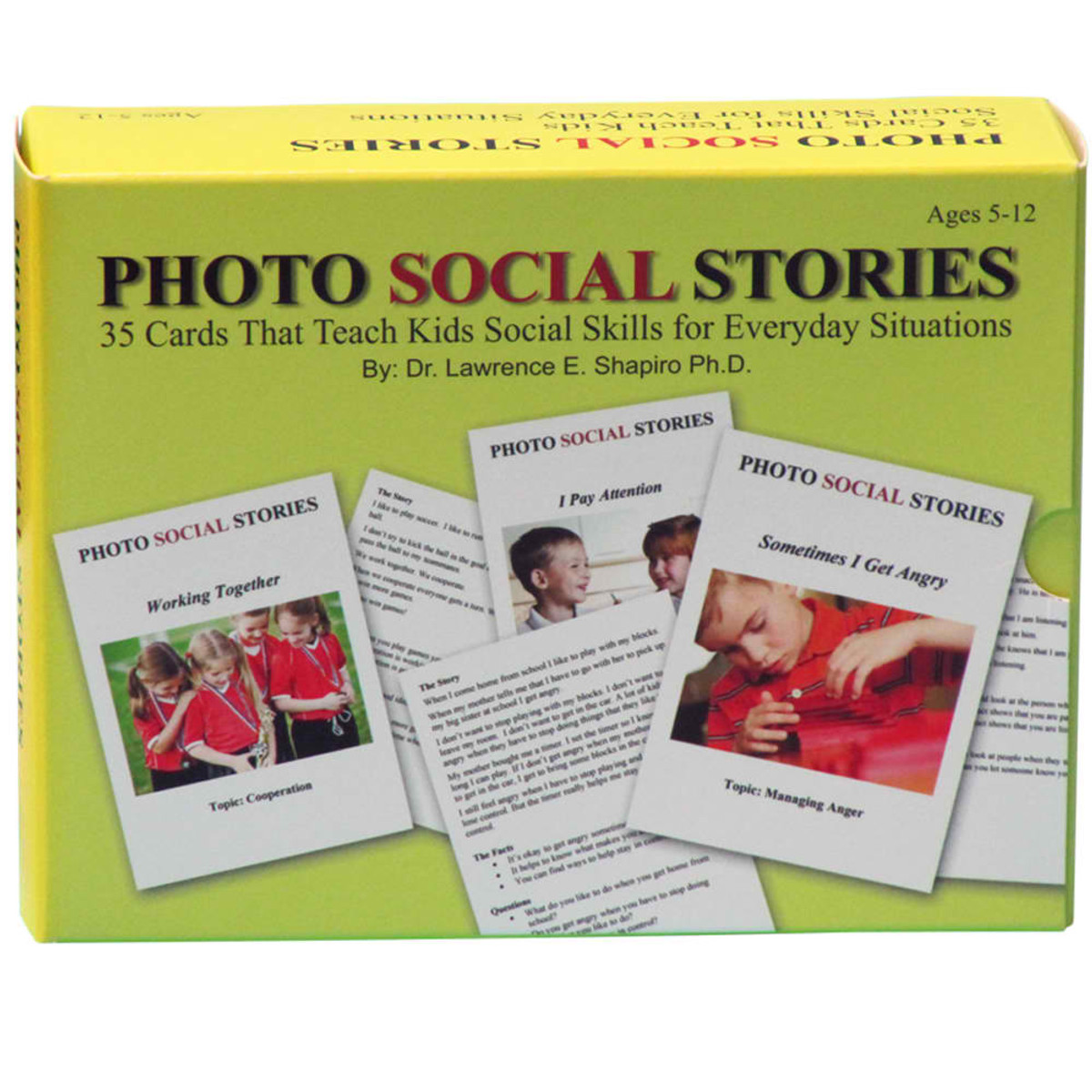
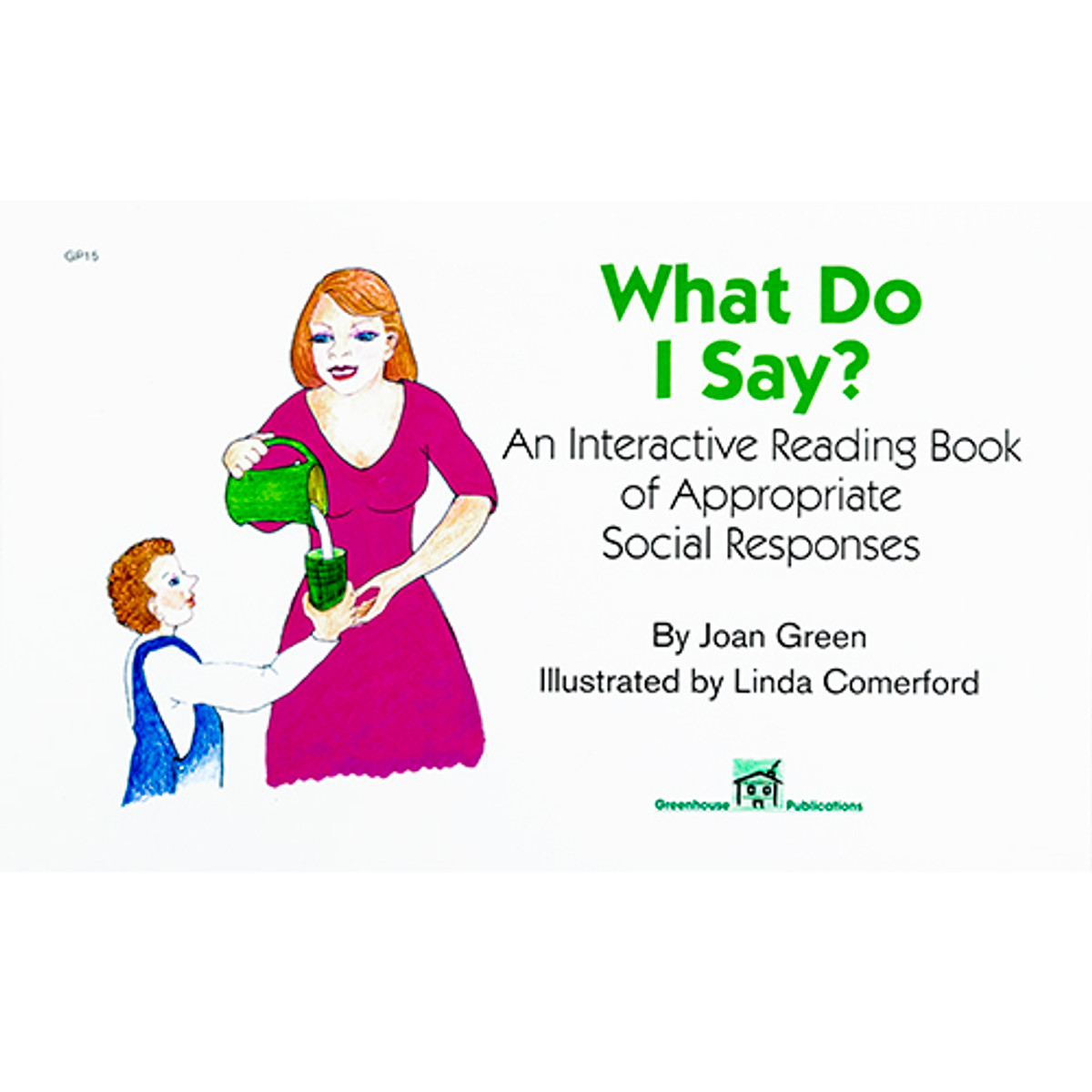
Social Stories are short stories that teach children with autism specific social skills. Social stories provide an individual with accurate information about situations that he may find difficult or confusing. A social story begins with the situation the child is having problems with.


It is important to include the following in a social story:
•Social cues that the child can use to look for the next time they encounter the situation.
•The events and reactions the individual might expect to occur in the situation
•The actions and reactions that might be expected of the child with autism and why.


The goal of the story is to:
•Increase the child’s understanding of a social situation.
•Make him more comfortable in the social situation.
•Suggest some appropriate responses for the situation in question.