


-

Cozy Crash Pad
$499.99 -

CozyDrop Pro Sensory Bean Bag
$399.00 - $399.99 -

Hammock Swing Kit
$219.99 -

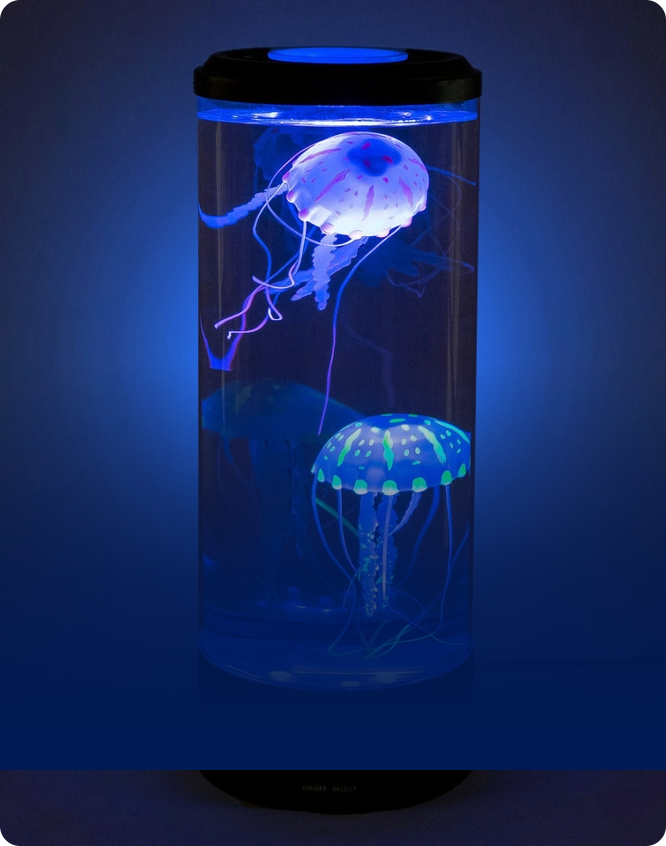
Deluxe Jellyfish Lamp
$109.99 -

Weighted Sensory Pillow
$89.99 -
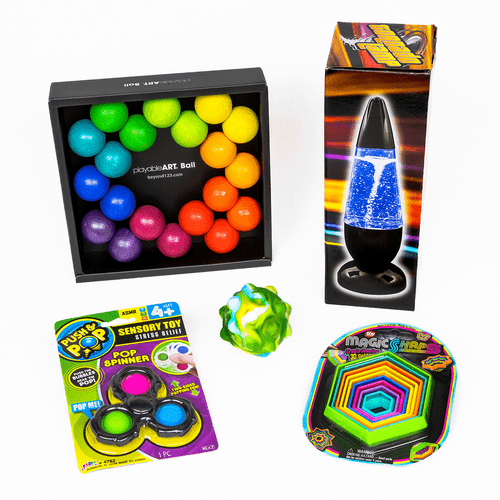
Sensory Favorites Gift Set
$69.99 -
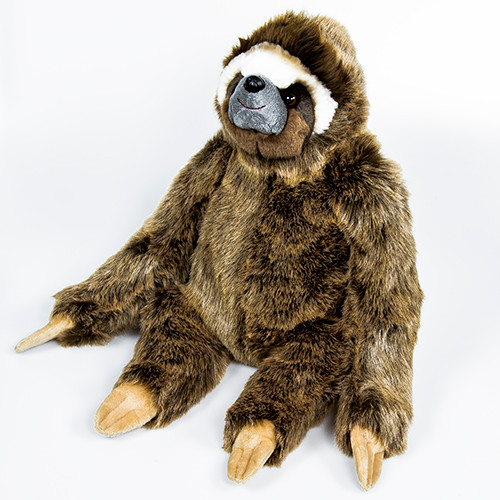
Sammy the Sloth
$64.99 -

Galaxy Gel Weighted Lap Pad
$49.99 -

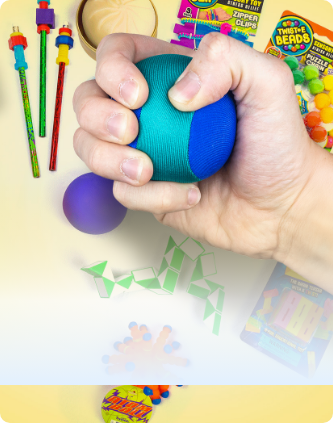
Ultimate Fidget Set
$45.99 -

-

Rainbow Glitter Tube
$39.99 -
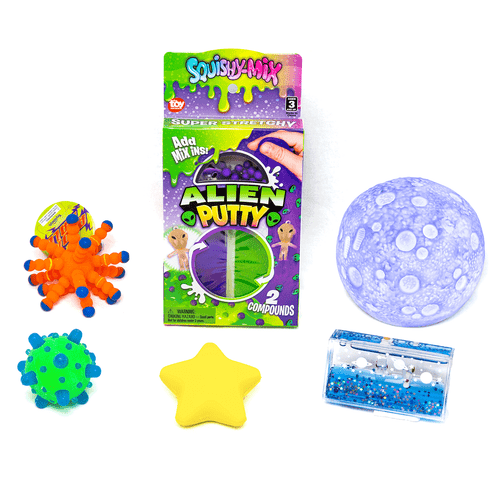
Space Sensory Kit
$39.99 -
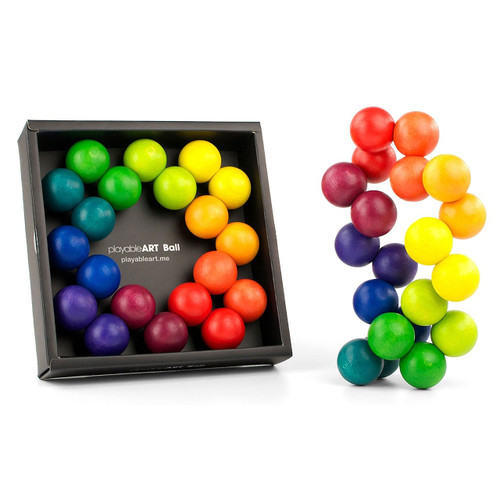
playableART Ball
$35.99 -
-
-

-

Lunar Light Show
$29.99 -

Spinner Ring Set
$29.99 -

Spinner Ring Set 2
$29.99 -

-
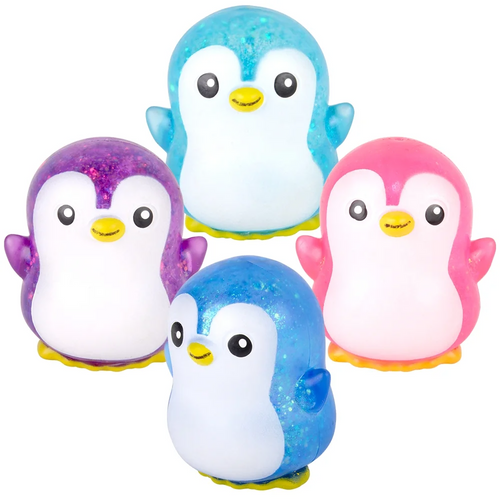
Sugar Penguins Set of 4
$29.99 -
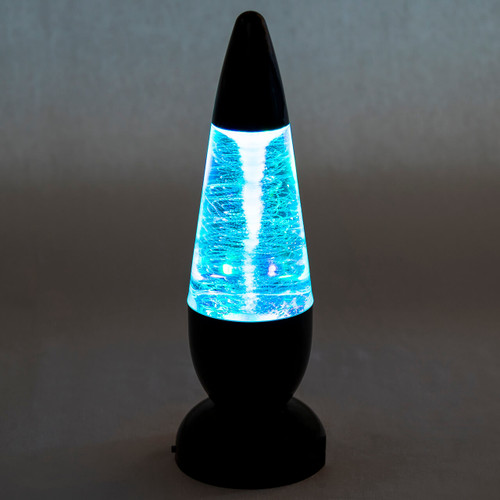
Tornado Lamp
$29.99 -

Whipped Putty Set of 3
$28.99 -

-

Calm Down Threading Boards
$25.99 -

Sensory Discs
$24.99 - $32.99 -

Diamond Lamp
$24.99 -
-

Water Wheel Timer Set of 3
$24.99 -

Pin Art
$23.99 -

Magnetic Slider Set of 3
$20.99 -

-

Kanoodle
$15.99 -
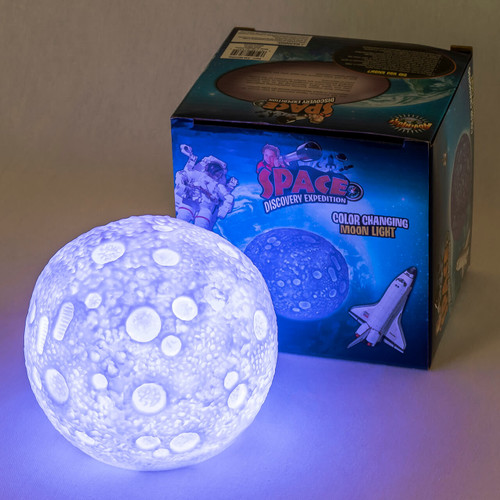
Moon Light
$14.99 -

Gyroscope
$13.99 - $27.99 -

Snapperz Set of 3
$12.99
Teens & Adults
Are you looking for a great gift for a teen or adult who has autism? The specialty items, games, toys, and activities in this section have a track record of working well with older individuals on the spectrum and being socially appropriate. Our curated collection has been sourced from over 20 manufacturers to bring you the best selection possible.
From highly visual lamps to sensory toys and calming vibration pillows, we have something to please everyone. Many of the items in this section are designed for adults and are not appropriate for children. Also, please keep in mind the developmental age of the teen or adult you are shopping for. Not sure what to choose? Feel free to contact customer service, and we will be happy to help you find the perfect gift!